Xenotilapia sp. 'papilio sunflower' Kerenge Island
Tribe / Genus:
Ectodini / Xenotilapia
Biotope:
Inhabits rocky habitats. Most individuals are found in deeper water
at depths around 40 meters, but they can also occur in very shallow
water, sometimes as shallow as 3 meters. Unlike sand-dwelling
Xenotilapia species that form large groups, this species does
not aggregate in schools (except as juveniles) and lives primarily in
pairs.
Geographic distribution:
Endemic to Lake Tanganyika, with a limited distribution between
Cap Chaitika (Zambia) and Cape Mpimbwe (Tanzania).
Typical adult size:
Reaches a total length of approximately 10 cm.
Recommended aquarium size:
300 L
Aquarium setup:
Highly aggressive within the species. Best kept together with other
Lake Tanganyika cichlids, as territorial defense against other species
strengthens the pair bond. Suitable tankmates include some other
Xenotilapia species, Paracyprichromis, and smaller
Neolamprologus species.
The aquarium should have a minimum length of 130 cm and contain plenty
of rocks, with fine sand on the bottom. Rocks are especially important
if more than one individual is kept, as they provide visual barriers.
Due to strong intraspecific aggression, keeping a single pair is
generally recommended.
This species is sensitive to water quality; stable parameters and
regular water changes are essential.
Diet:
Omnivorous. Digestive analyses indicate that at least 90% of the diet
consists of small ostracods. The remaining portion includes small
crustaceans, various invertebrates, and algae. Actively feeds from the
sediment layer covering rocks.
Breeding:
Biparental mouthbrooder. Spawning usually takes place on sand near
rocks. The female initially collects and broods the eggs and larvae for
8–12 days before transferring them to the male. Approximately three
weeks after spawning the fry are released, and both parents continue to
guard them for another two weeks or longer. Clutch size is small and
rarely exceeds 20 fry.
Aggression:
Among the more aggressive and strongly territorial members of the
genus Xenotilapia.
Special notes:
One of the few Xenotilapia species adapted to rocky
habitats rather than open sand. Xenotilapia sp. ‘papilio sunflower’ is distinguished from
X. papilio by the absence of black spots on the ventral fins.



The aquarium should have a minimum length of 130 cm and contain plenty of rocks, with fine sand on the bottom. Rocks are especially important if more than one individual is kept, as they provide visual barriers. Due to strong intraspecific aggression, keeping a single pair is generally recommended.
This species is sensitive to water quality; stable parameters and regular water changes are essential.
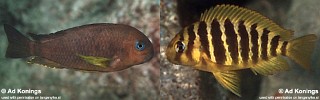
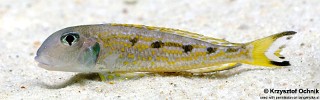
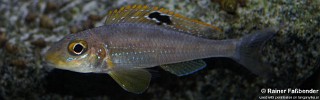
Xenotilapia sp. ‘papilio sunflower’ is distinguished from X. papilio by the absence of black spots on the ventral fins.
Photo gallery